


Across Europe, record-breaking heatwaves have swept through regional cities and industrial zones, bringing sustained extreme high temperatures and unprecedented pressure on residential cooling systems, commercial refrigeration, industrial temperature control, and cold chain infrastructure. As cooling demands surge to historic highs, traditional synthetic refrigerants are facing growing challenges including high global warming potential (GWP), insufficient energy efficiency under extreme heat, and stricter regulatory restrictions under the EU F-Gas Regulation.
Against this backdrop, natural hydrocarbon refrigerants — including Propane (R290), Ethylene (R1150), Ethane (R170), Butane (R600), and Isobutane (R600a) — have emerged as the most reliable, eco-friendly, and cost-effective solution for European cooling and refrigeration industries.
Rising Heatwave Challenges Expose Limitations of Traditional Refrigerants
Persistent extreme heat across Europe has led to a sharp increase in the operation load of air conditioning, heat pump, and refrigeration equipment. Conventional HFC refrigerants feature high GWP values and poor heat resistance performance. When operating under high ambient temperatures, such systems suffer from lower cooling efficiency, higher power consumption, and faster performance attenuation.
In addition, the EU’s ongoing phase-down of high-GWP fluorinated gases continues to raise industry compliance thresholds. Manufacturers and end-users across Europe are actively phasing out traditional refrigerants and searching for environmentally sustainable, high-efficiency alternatives that can adapt to extreme climate conditions.
Hydrocarbon Refrigerants: Eco-Friendly, High-Efficiency Solution for Extreme Heat Scenarios
All hydrocarbon refrigerants feature zero Ozone Depletion Potential (ODP) and ultra-low GWP, fully complying with EU environmental policies and carbon neutrality targets. With superior thermodynamic properties, they deliver stable and efficient cooling performance even under extreme high-temperature environments, effectively reducing system energy consumption and operational costs.
Each hydrocarbon refrigerant offers targeted advantages for diverse European application scenarios:
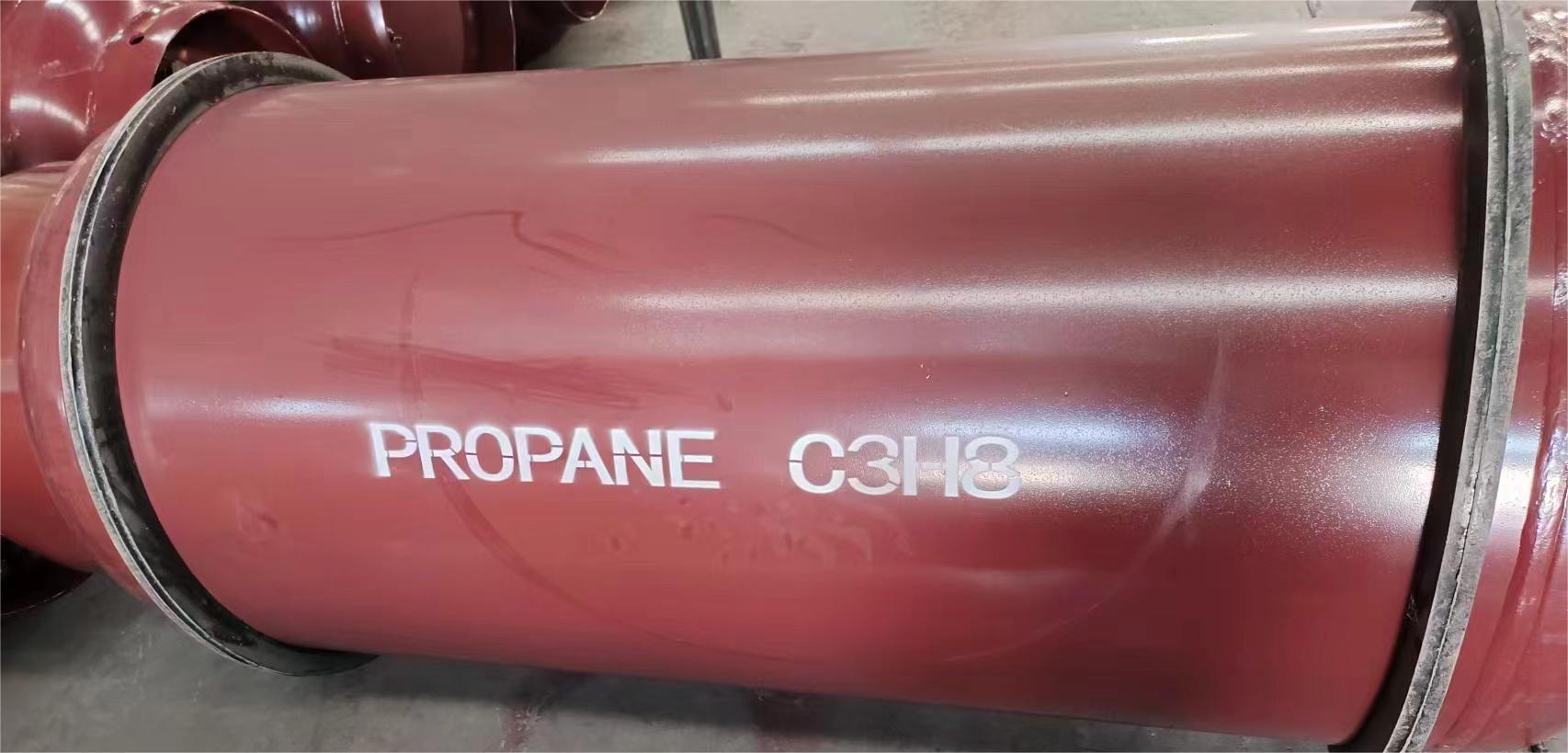
R290 (Propane) — A mainstream natural refrigerant widely applied in residential air conditioners, commercial heat pumps, and industrial refrigeration systems. It delivers excellent cooling capacity and heat exchange efficiency, perfectly fitting high-load cooling demands during European heatwaves.
R600a (Isobutane) & R600 (Butane) — Ideal for household refrigerators, freezers, light commercial refrigeration, and cold chain transportation. They ensure stable and low-energy operation for long-term daily cooling scenarios.
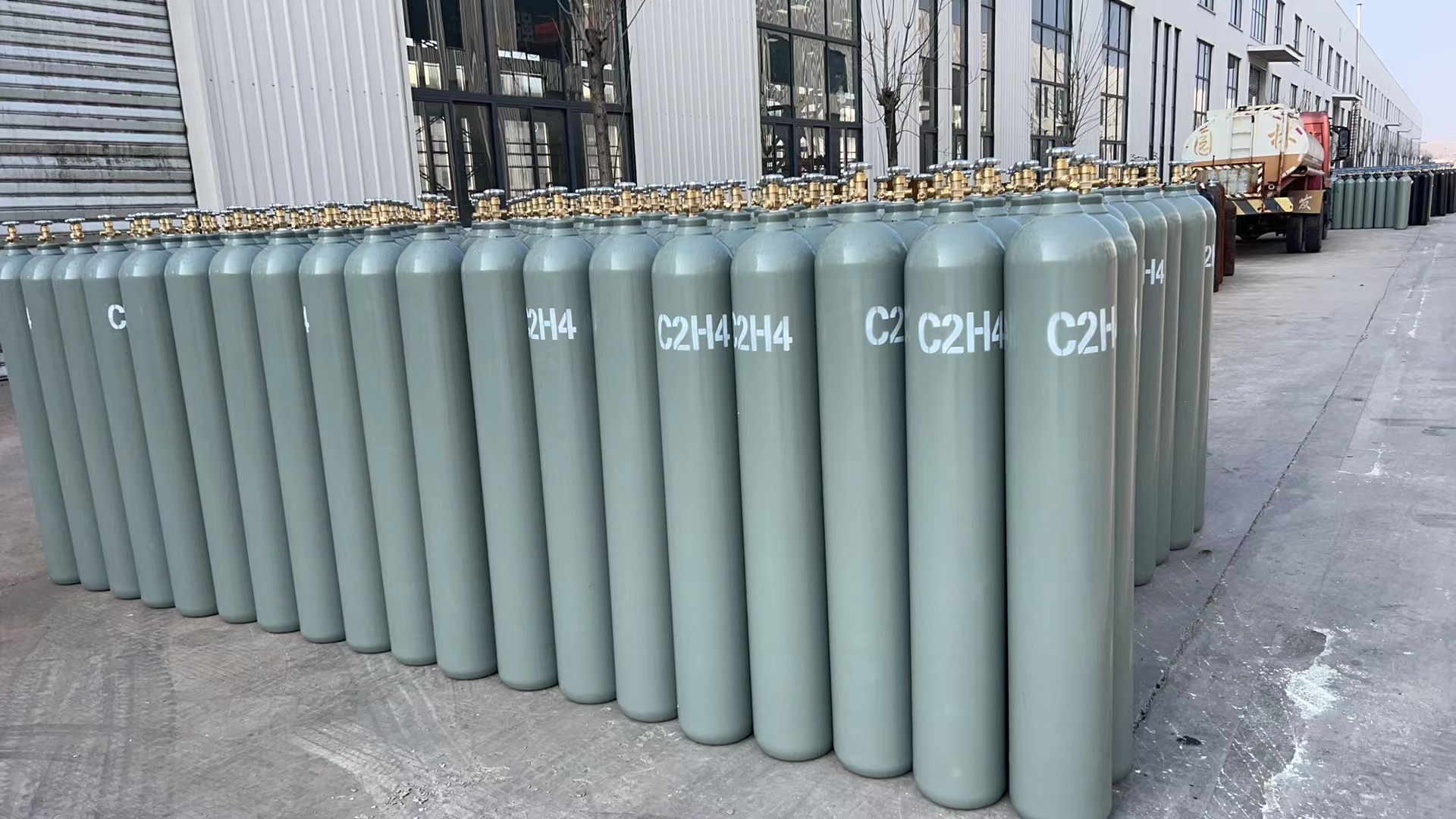
R1150 (Ethylene) & R170 (Ethane) — Professional low-temperature refrigerants designed for industrial cryogenic cooling, pharmaceutical storage, food processing, and special industrial temperature control fields, providing reliable cooling solutions for high-standard industrial scenarios.
Future-Proof Cooling Choice for European Market
As extreme high-temperature weather becomes more frequent in Europe, the upgrade of refrigeration systems towards low-carbon, high-efficiency, and environmentally friendly standards has become an irreversible industry trend. Hydrocarbon refrigerants not only solve the efficiency bottleneck of traditional refrigerants under heatwave conditions but also help enterprises meet EU green compliance requirements and reduce long-term carbon emission costs.
Committed to supplying high-purity and stable hydrocarbon refrigerants, we provide reliable, compliant, and sustainable refrigerant solutions for European HVAC&R manufacturers, cooling system enterprises, and industrial end-users, supporting the European market’s green transformation and high-efficiency cooling upgrade.
Post time: Jun-29-2026


