


With the widespread use of industrial gas, specialty gas, and medical gas, gas cylinders, as core equipment for their storage and transportation, are crucial for their safety. Cylinder valves, the control center of gas cylinders, are the first line of defense for ensuring safe use.
“GB/T 15382—2021 General Technical Requirements for Gas Cylinder Valves,” as the industry’s foundational technical standard, sets clear requirements for valve design, marking, residual pressure maintenance devices, and product certification.
Residual pressure maintaining device: the guardian of safety and purity
Valves used for flammable compressed gases, industrial oxygen (except high-purity oxygen and ultra-pure oxygen), nitrogen and argon should have a residual pressure preservation function.
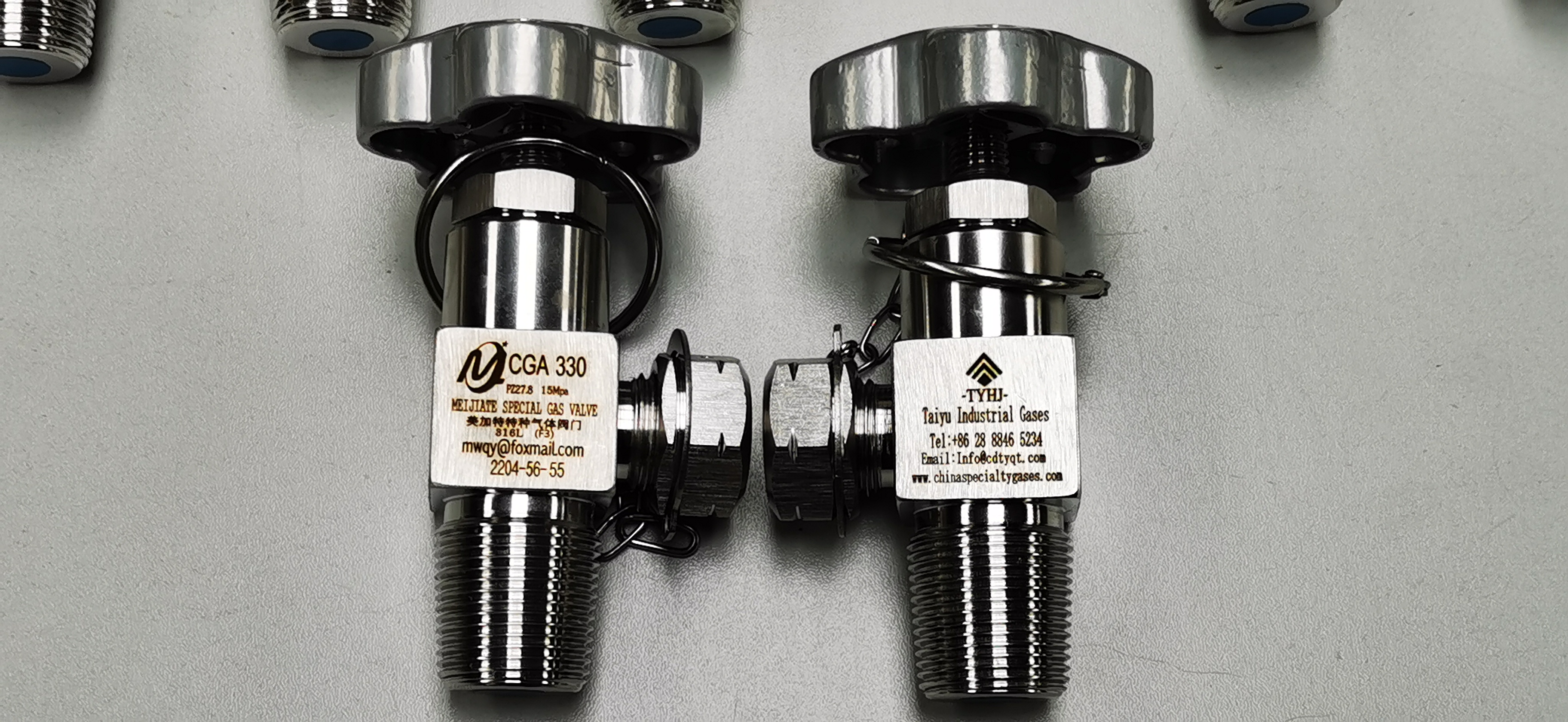
The valve should have a permanent mark
The information should be clear and traceable, including Valve model, nominal working pressure, opening and closing direction, manufacturer’s name or trademark, production batch number and serial number, manufacturing license number and TS mark (for valves requiring manufacturing license), valves used for liquefied gas and acetylene gas should have quality marks, operating pressure and/or operating temperature of the safety pressure relief device, designed service life
Product certificate
The standard emphasizes: All gas cylinder valves must be accompanied by product certificates.
Pressure-maintaining valves and valves used for combustion-supporting, flammable, toxic or highly toxic media should be equipped with electronic identification labels in the form of QR codes for public display and query of electronic certificates of gas cylinder valves.
Safety comes from the implementation of every standard
Although the gas cylinder valve is small, it bears the heavy responsibility of control and sealing. Whether it is design and manufacturing, marking and labeling, or factory inspection and quality traceability, every link must strictly implement the standards.
Safety is not accidental, but the inevitable result of every detail. Let standards become habits and make safety a culture
Post time: Aug-06-2025


