


Specialty gases differ from general industrial gases in that they have specialized uses and are applied in specific fields. They have specific requirements for purity, impurity content, composition, and physical and chemical properties. Compared to industrial gases, specialty gases are more diverse in variety but have smaller production and sales volumes.
The mixed gases and standard calibration gases we commonly use are important components of specialty gases. Mixed gases are usually divided into general mixed gases and electronic mixed gases.
General mixed gases include: laser mixed gas, instrument detection mixed gas, welding mixed gas, preservation mixed gas, electric light source mixed gas, medical and biological research mixed gas, disinfection and sterilization mixed gas, instrument alarm mixed gas, high-pressure mixed gas, and zero-grade air.
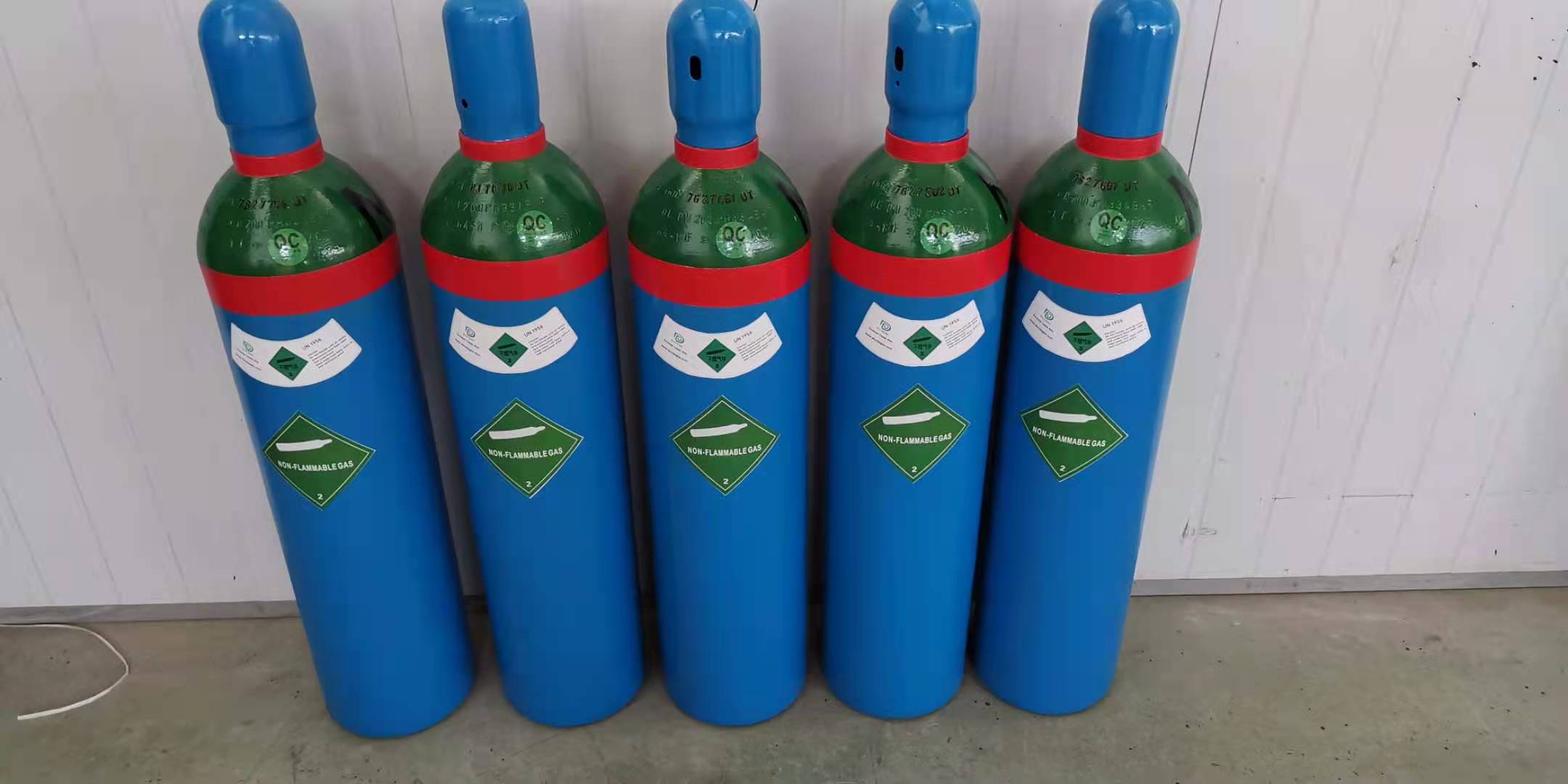
Electronic gas mixtures include epitaxial gas mixtures, chemical vapor deposition gas mixtures, doping gas mixtures, etching gas mixtures, and other electronic gas mixtures. These gas mixtures play an indispensable role in the semiconductor and microelectronics industries and are widely used in large-scale integrated circuit (LSI) and very large-scale integrated circuit (VLSI) manufacturing, as well as in semiconductor device production.
5 Types of electronic mixed gases are the most commonly used
Doping mixed gas
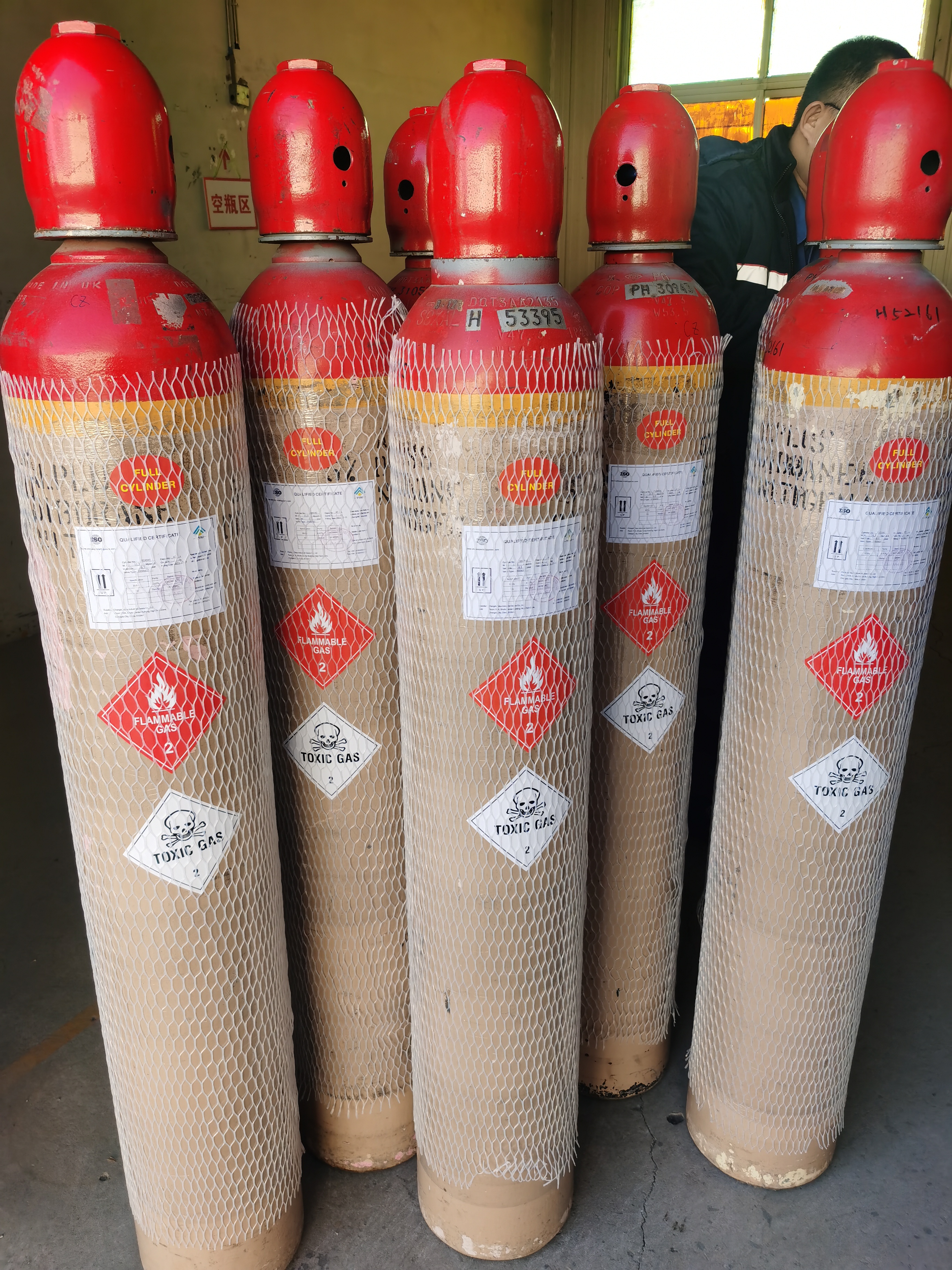
In the manufacture of semiconductor devices and integrated circuits, certain impurities are introduced into semiconductor materials to impart the desired conductivity and resistivity, enabling the manufacture of resistors, PN junctions, buried layers, and other materials. The gases used in the doping process are called dopant gases. These gases primarily include arsine, phosphine, phosphorus trifluoride, phosphorus pentafluoride, arsenic trifluoride, arsenic pentafluoride, boron trifluoride, and diborane. The dopant source is typically mixed with a carrier gas (such as argon and nitrogen) in a source cabinet. The mixed gas is then continuously injected into a diffusion furnace and circulates around the wafer, depositing the dopant on the wafer surface. The dopant then reacts with silicon to form a dopant metal that migrates into the silicon.
Epitaxial growth gas mixture
Epitaxial growth is the process of depositing and growing a single crystal material onto a substrate surface. In the semiconductor industry, the gases used to grow one or more layers of material using chemical vapor deposition (CVD) on a carefully selected substrate are called epitaxial gases. Common silicon epitaxial gases include dihydrogen dichlorosilane, silicon tetrachloride, and silane. They are primarily used for epitaxial silicon deposition, polycrystalline silicon deposition, silicon oxide film deposition, silicon nitride film deposition, and amorphous silicon film deposition for solar cells and other photosensitive devices.
Ion implantation gas
In semiconductor device and integrated circuit manufacturing, the gases used in the ion implantation process are collectively referred to as ion implantation gases. Ionized impurities (such as boron, phosphorus, and arsenic ions) are accelerated to a high energy level before being implanted into the substrate. Ion implantation technology is most widely used to control threshold voltage. The amount of implanted impurities can be determined by measuring the ion beam current. Ion implantation gases typically include phosphorus, arsenic, and boron gases.
Etching mixed gas
Etching is the process of etching away the processed surface (such as metal film, silicon oxide film, etc.) on the substrate that is not masked by photoresist, while preserving the area masked by photoresist, so as to obtain the required imaging pattern on the substrate surface.
Chemical Vapor Deposition Gas Mixture
Chemical vapor deposition (CVD) utilizes volatile compounds to deposit a single substance or compound through a vapor-phase chemical reaction. This is a film-forming method that utilizes vapor-phase chemical reactions. The CVD gases used vary depending on the type of film being formed.
Post time: Aug-14-2025


