


Since 2025, the domestic sulfur market has experienced a sharp price surge, with prices soaring from approximately 1,500 yuan/ton at the beginning of the year to over 3,800 yuan/ton currently, an increase of more than 100%, reaching a new high in recent years. As an important chemical raw material, the soaring price of sulfur has directly impacted the downstream industry chain, and the sulfur dioxide market, which uses sulfur as its core raw material, is facing significant cost pressures. The core driver of this round of price increases stems from the severe imbalance between supply and demand in the global sulfur market.
The continued contraction of international supply has exacerbated the supply gap due to multiple factors.
Global sulfur supply is highly dependent on oil and gas processing byproducts. Total global sulfur supply in 2024 was approximately 80.7 million tons, but supply has contracted significantly this year. The Middle East is the world’s largest supplier, accounting for 32%, but its resources are primarily geared towards supplying emerging markets such as Indonesia, limiting its availability to the Chinese market.
Russia, a traditional major exporter of sulfur, once accounted for 15%-20% of global production. However, due to the Russia-Ukraine conflict, the stability of its refinery operations has declined significantly, with nearly 40% of production affected. Its exports plummeted from approximately 3.7 million tons per year before 2022 to around 1.5 million tons in 2023. In early November 2025, an export ban was issued, prohibiting exports to organizations outside the EU until the end of the year, further cutting off some international supply channels.
Furthermore, the widespread adoption of new energy sources has led to a decrease in the consumption of traditional energy sources such as gasoline and diesel. Coupled with the OPEC+ oil-producing countries’ implementation of the crude oil production cut agreement, global oil and gas processing volume growth has stagnated, and the growth rate of sulfur by-product production has slowed significantly. Meanwhile, some refineries in Central Asia have drastically reduced their output due to maintenance or depletion of existing reserves, further widening the global supply gap.
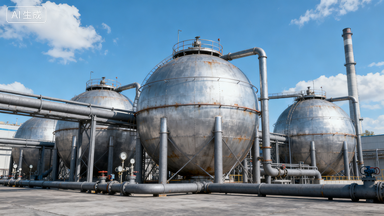
International demand grows in tandem
While supply is contracting, international demand for sulfur is showing structural growth. Indonesia, as the core region for increased demand, has strong demand for sulfur from nickel-cobalt smelting projects (used for battery material production) by local companies such as Tsingshan and Huayou. The cumulative demand is expected to exceed 7 million tons from 2025 to 2027. One ton of nickel production requires 10 tons of sulfur, significantly diverting global supply.
The rigid demand in the agricultural sector also provides support. The global demand for phosphate fertilizer is stable during the spring planting season, while sulfur accounts for as much as 52.75% of phosphate fertilizer production, further exacerbating the supply and demand imbalance in the global sulfur market.
The sulfur dioxide market is affected by cost transmission
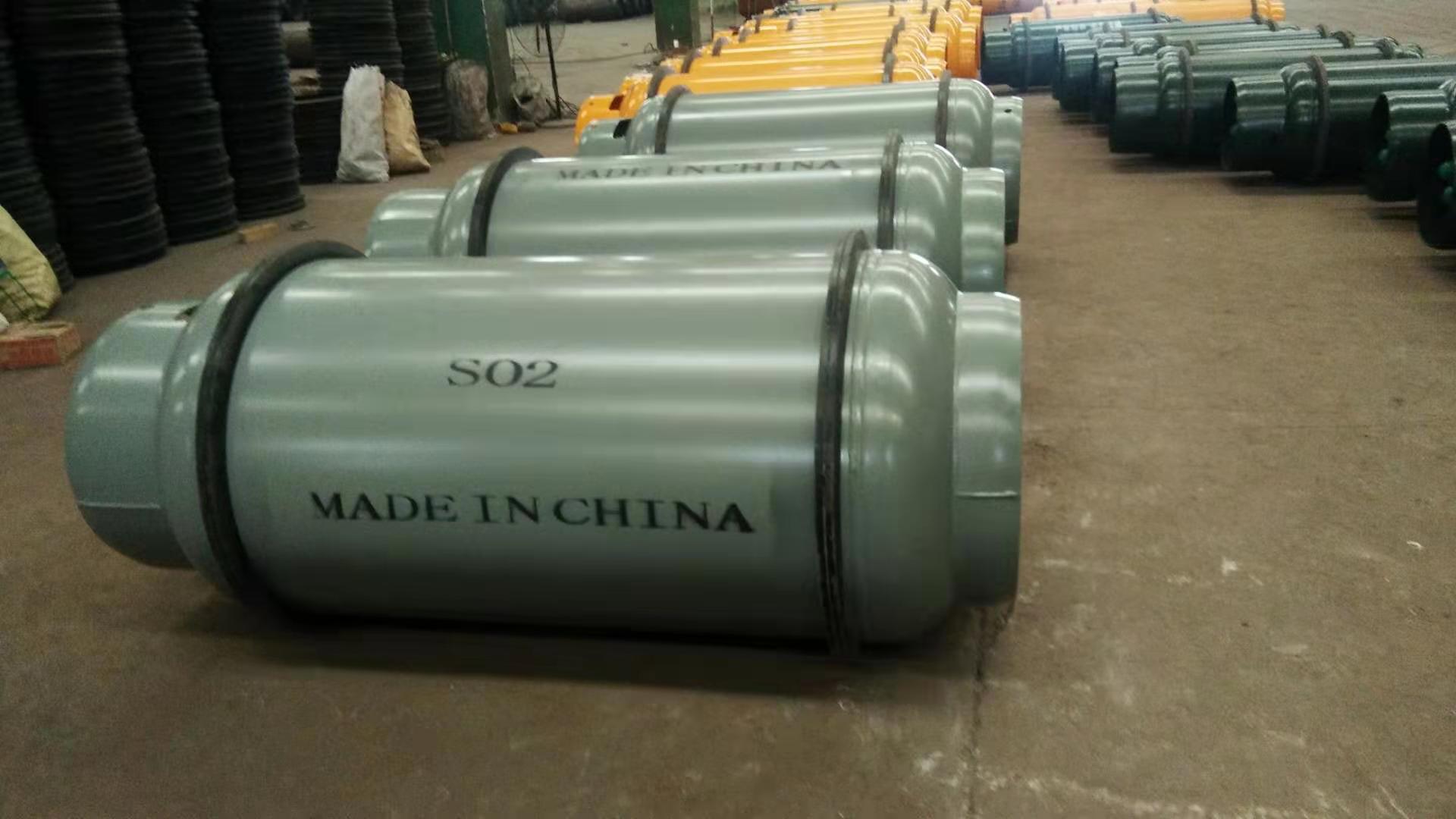
Sulfur is the main raw material for producing sulfur dioxide. About 60% of China’s liquid sulfur dioxide production capacity uses sulfur production processes. The doubling of sulfur prices has directly driven up its production costs.
Market Outlook: High Prices Unlikely to Change in the Short Term
Looking ahead to 2026, the tight supply-demand balance in the sulfur market is unlikely to improve fundamentally. New international production capacity is lagging. Analysts predict that, in an optimistic scenario, sulfur prices could exceed 5,000 yuan/ton in 2026.
As a result, the sulfur dioxide market may continue its moderate upward trend. With increasingly stringent environmental policies, sulfur dioxide producers with advantages in circular economy models and alternative processes will gain a competitive edge, and industry concentration is expected to further increase. Long-term changes in the global sulfur supply-demand pattern will continue to impact the cost and competitive landscape of the entire industry chain.
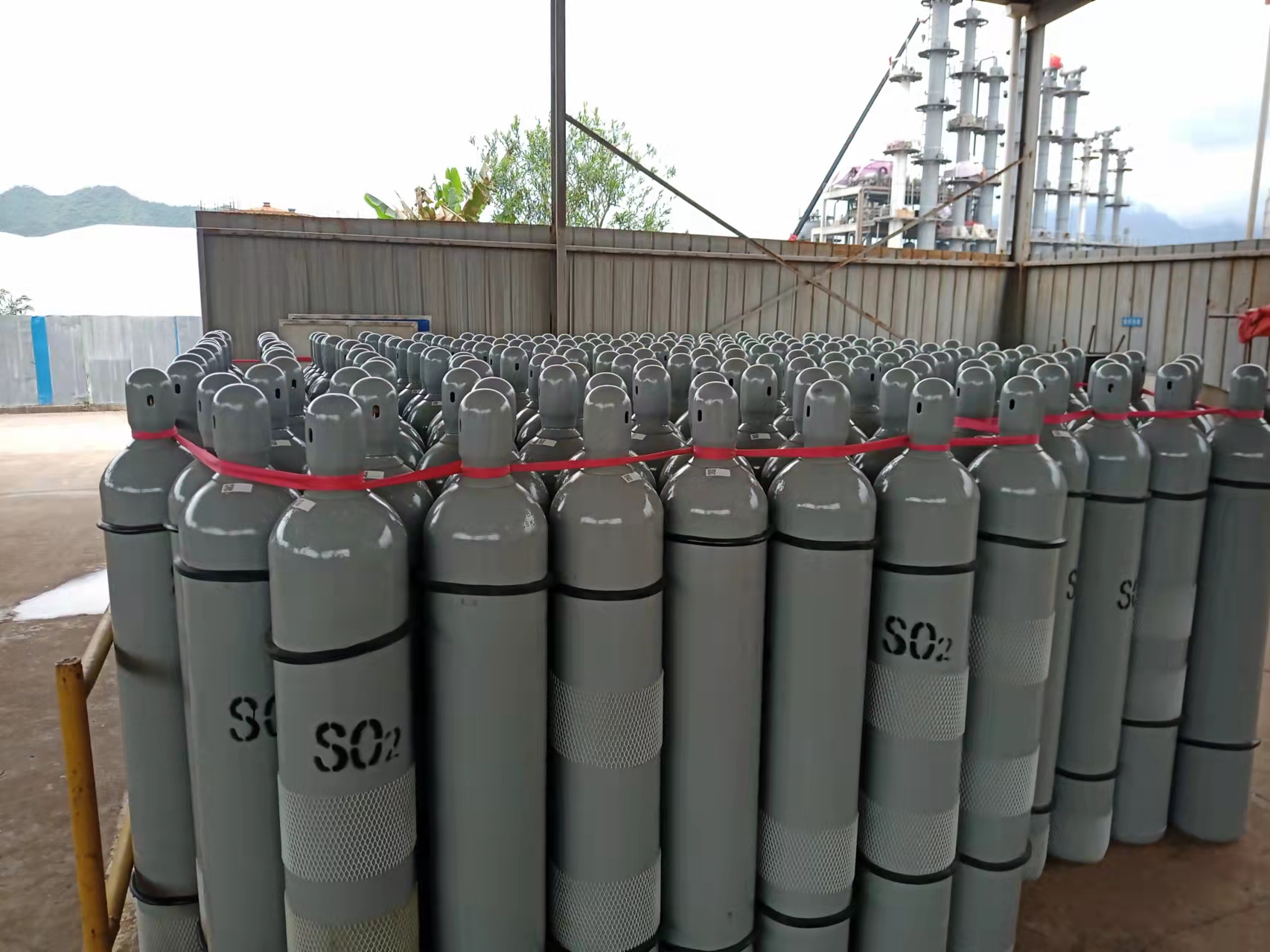
Please feel free to contact to us to disucss SO2 gas procurement plans: info@tyhjgas.com
Post time: Nov-28-2025


