


Rare gases (also known as inert gases), including helium (He), neon (Ne), argon (Ar), krypton (Kr), xenon (Xe), are widely used in many fields due to their highly stable chemical properties, colorless and odorless, and difficult to react. The following is a classification of their core uses:
Shielding gas: take advantage of its chemical inertness to prevent oxidation or contamination
Industrial Welding and Metallurgy: Argon (Ar) is used in welding processes to protect reactive metals such as aluminum and magnesium; in semiconductor manufacturing, argon protects silicon wafers from contamination by impurities.
Precision machining: Nuclear fuel in atomic reactors is processed in an argon environment to avoid oxidation. Extending the service life of equipment: Filling with argon or krypton gas slows down the evaporation of tungsten wire and improves durability.
Lighting and electric light sources
Neon lights and indicator lights: Neon lights and indicator lights: Neon lights: (Ne) red light, used in airports and advertising signs; argon gas emits blue light, and helium emits light red light.
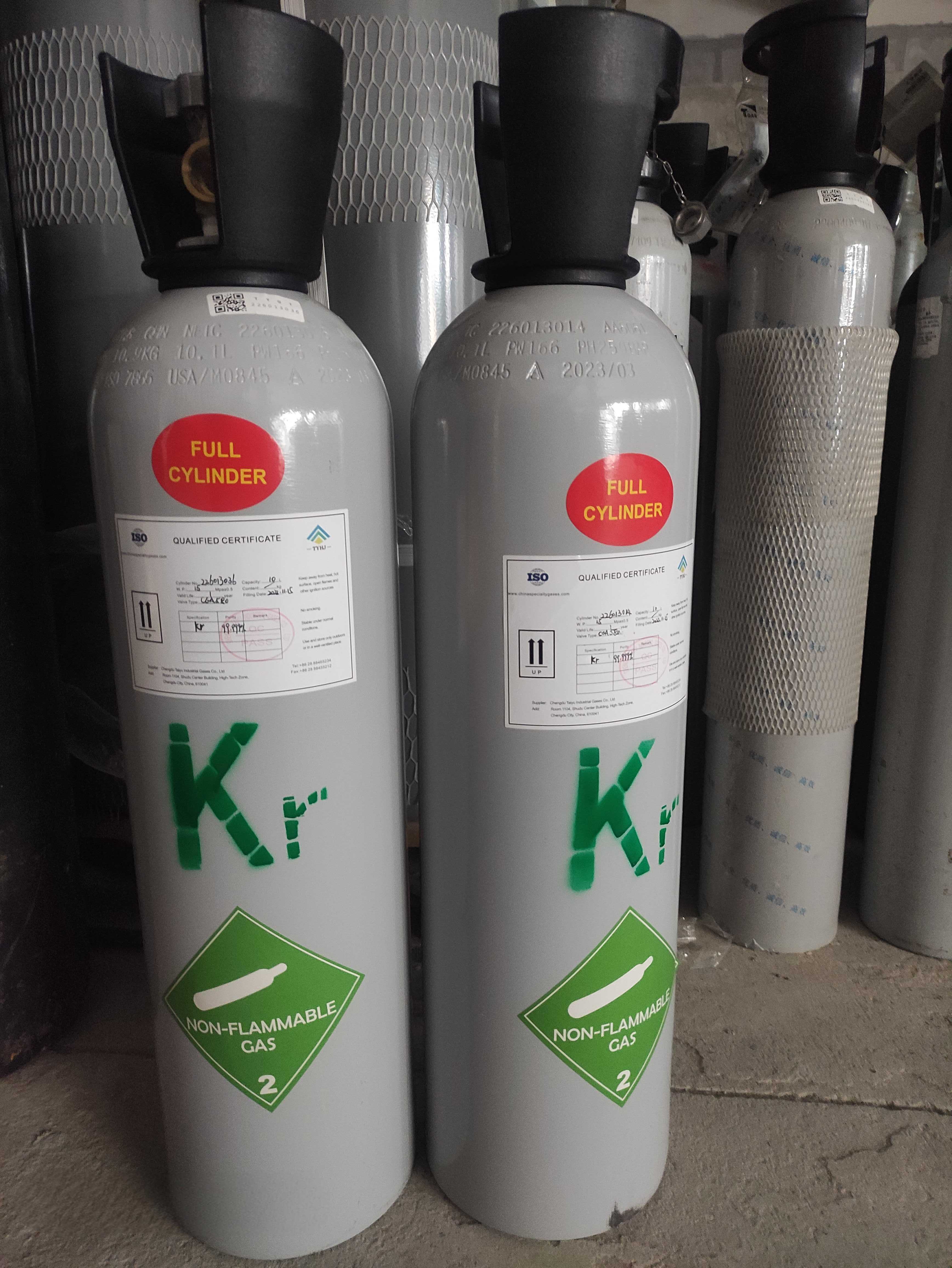
High-efficiency lighting: Xenon (Xe) is used in car headlights and searchlights for its high brightness and long lifespan; krypton is used in energy-saving light bulbs. Laser technology: Helium-neon lasers (He-Ne) are used in scientific research, medical treatment, and barcode scanning.
Balloon, airship and diving applications
Helium’s low density and safety are key factors.
Hydrogen replacement: Helium is used to fill balloons and airships, eliminating flammability risks.
Deep-sea diving: Heliox replaces nitrogen to prevent nitrogen narcosis and oxygen poisoning during deep dives (below 55 meters).
Medical care and scientific research
Medical Imaging: Helium is used as a coolant in MRIs to keep superconducting magnets cool.
Anesthesia and Therapy: Xenon, with its anesthetic properties, is used in surgical anesthesia and neuroprotection research; radon (radioactive) is used in cancer radiotherapy.
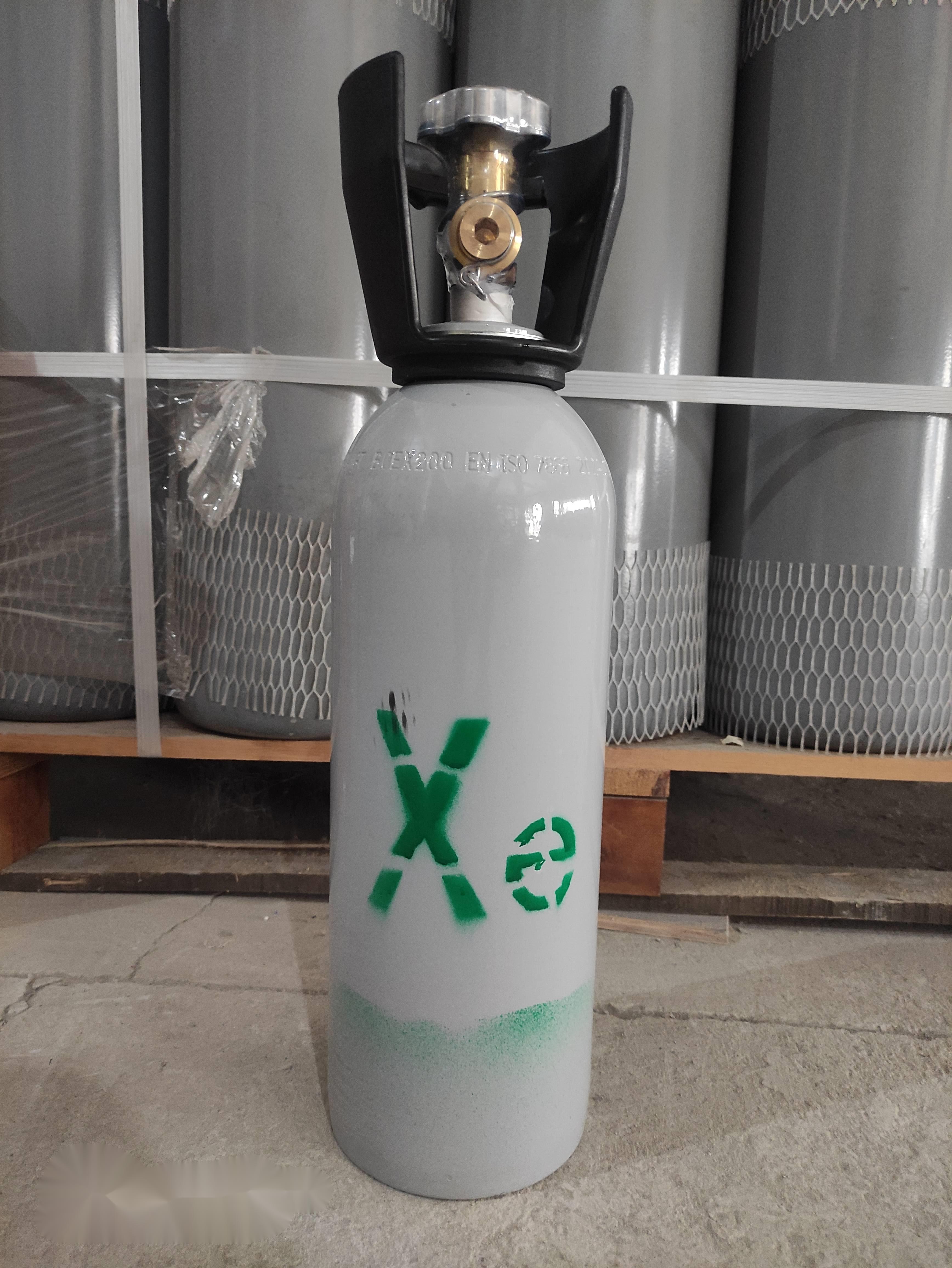
Cryogenics: Liquid helium (-269°C) is used in extremely low-temperature environments, such as superconducting experiments and particle accelerators.
High technology and cutting-edge fields
Space Propulsion: Helium is used in rocket fuel boost systems.
New Energy and Materials: Argon is used in solar cell manufacturing to protect the purity of silicon wafers; krypton and xenon are used in fuel cell research and development.
Environment and Geology: Argon and xenon isotopes are used to track atmospheric pollution sources and determine geological ages.
Resource limitations: Helium is non-renewable, making recycling technology increasingly important.
Rare gases, with their stability, luminosity, low density, and cryogenic properties, permeate industry, medicine, aerospace, and everyday life. With technological advances (such as high-pressure synthesis of helium compounds), their applications continue to expand, making them an indispensable “invisible pillar” of modern technology.
Post time: Aug-22-2025


